

Winter Squash: Why It Belongs on Your Plate This Season
November 8, 2026
Your skin makes vitamin D when sunlight hits it. That works well in summer, but in winter the sun in northern places is too weak. In the UK, for example, the body doesn’t make enough from October to early March.(1) The good news: a handful of vitamin D foods can help fill the gap, and most of them are easy to like.
Why Vitamin D Matters
Vitamin D helps your body absorb calcium, so it’s key for strong bones. Your muscles, nerves and immune system need it too.(2) In the US, most adults are advised to get 15 micrograms (mcg) a day, or 600 IU. The UK recommends 10 mcg.
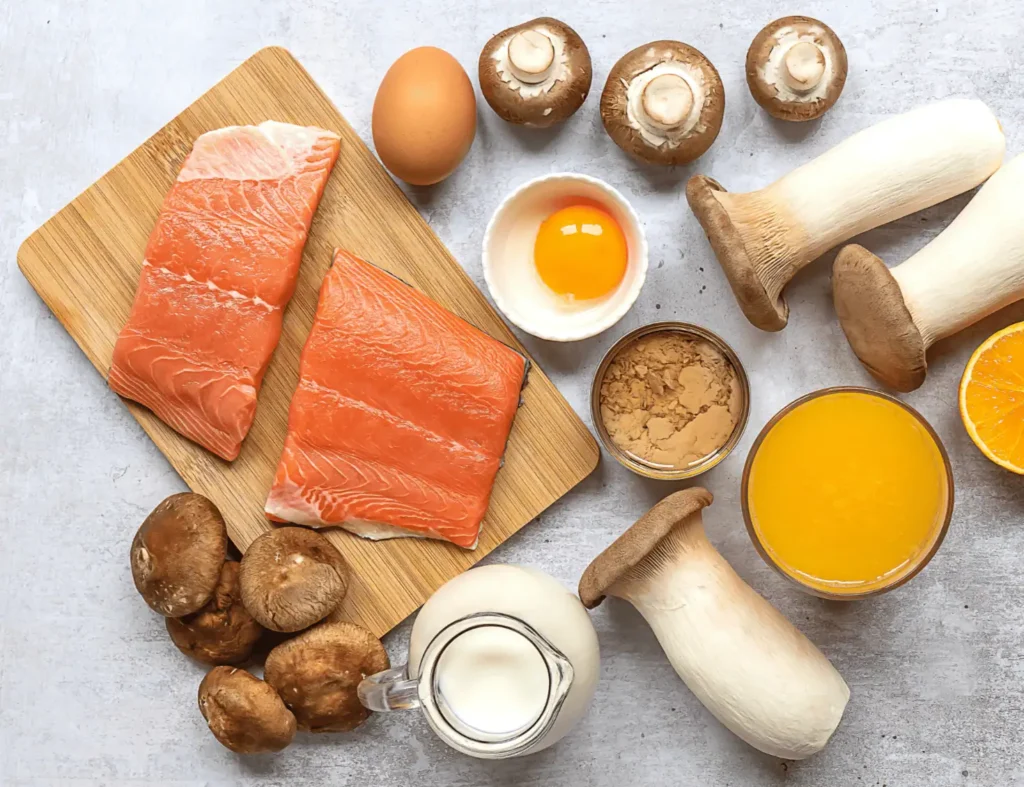
The Best Vitamin D Foods
Very few foods contain much vitamin D, so it helps to know which ones do. Here’s what a 100 g (3.5 oz) portion gives you, based on USDA data:(3)
- Rainbow trout: 19 mcg, more than a full day’s worth
- Salmon: 13 to 17 mcg, close to or over a full day
- Herring and canned sardines: about 5 mcg, a third of a day
- UV-exposed mushrooms: up to 28 mcg. Look for “UV” or “high in vitamin D” on the pack. Regular mushrooms have very little.
- Eggs: about 1 mcg per egg. Small, but it adds up, and it’s all in the yolk.
- Fortified foods: some milks, plant milks, cereals and spreads have vitamin D added. Amounts vary by country, so check the label.
Cod liver oil is the old Nordic winter habit, and for good reason. A spoonful is one of the richest sources there is. It’s also high in vitamin A, so stick to the serving on the bottle.
Easy Ways to Eat More of Them
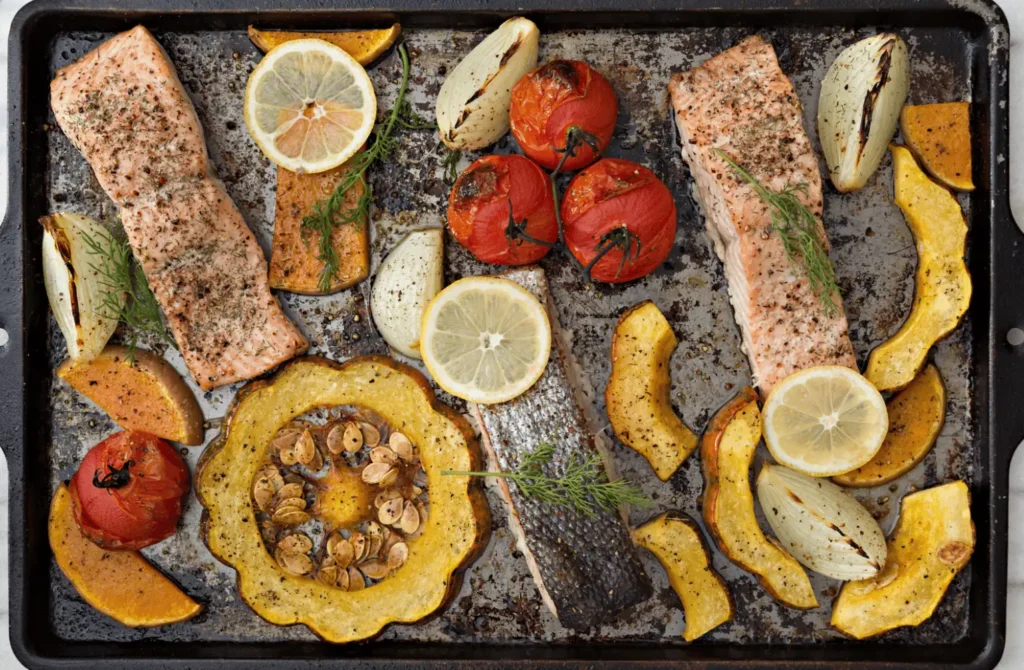
- Sheet-pan salmon: roast salmon next to cubes of winter squash for a 30-minute dinner.
- Sardines on toast: mash them with lemon and pepper and pile them on good bread. Lunch in five minutes.
- Mushroom omelet: fry UV mushrooms in a little butter, then add two eggs.
- Fish twice a week: pick two fixed days, like Monday trout and Thursday salmon, so it becomes a habit.
When Food Alone Isn’t Enough
Here’s the honest part. Unless you eat fatty fish most days, it’s hard to get enough vitamin D from food in winter. That’s why the NHS advises everyone to consider a daily 10 mcg supplement in autumn and winter.(1)
If you take one, vitamin D3 may raise your levels more than D2,(2) and it’s absorbed best with a meal that has some fat in it. A plain vitamin D3 supplement is cheap and easy to find. More isn’t better, so stick to the dose on the label. If you’re unsure about your levels, or you take medication, ask your doctor. A simple blood test gives you the answer.
Our Supernutrition tip: Pair your vitamin D with breakfast eggs or your fish dinner. The fat helps you absorb it, and linking it to a meal makes it easy to remember.
This post contains an Amazon affiliate link. As an Amazon Associate we earn from qualifying purchases, at no extra cost to you.
Read next: Want to look after your bones and joints too? Read The Best and Worst Foods for Joint Health.