
NAD Supplements: The Cellular Molecule Fueling the Longevity Boom
August 15, 2026
Winter squash is one of the best deals in the produce section right now. It’s in season, it’s filling, and it keeps for weeks without any fuss. The winter squash health benefits are real too, and all you need to get them is an oven and a sheet pan.
Winter Squash Health Benefits: What’s in One Cup
One cup of baked butternut squash gives you about:
- Calories: 82
- Fiber: 6.6 g, nearly a quarter of a day’s target
- Vitamin A: more than a full day’s worth
- Vitamin C: about a third of a day’s worth
- Potassium: 582 mg, roughly a fifth of what most adults need
That orange color comes from beta-carotene, the same pigment you get from carrots. Your body turns it into vitamin A, which you need for normal vision and a healthy immune system. As a rough guide, the deeper the orange, the more beta-carotene you’re getting.
The fiber keeps digestion moving and helps you feel full, which is why squash fits so well with the fibermaxxing trend. And potassium is worth the attention, because most people in the US get less than recommended. Your heart, muscles and nerves all rely on it.
Which Squash Should You Buy?
- Butternut: sweet, smooth and the easiest to peel. Great for roasting and soup.
- Pumpkin: pick small pie pumpkins. The big carving kind tends to be watery and bland.
- Acorn: cut it in half, bake it, and fill the middle with whatever you like.
- Spaghetti: mild and pale, and the flesh pulls apart into strands. Top it like pasta.
3 Easy Ways to Eat More Winter Squash
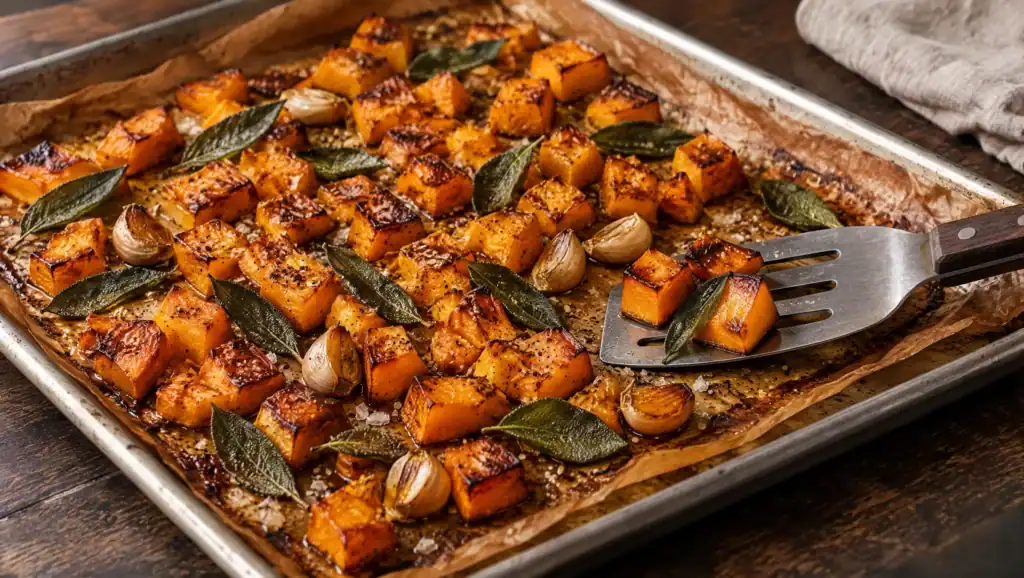
1. Roasted cubes. Toss 1-inch cubes with olive oil, salt and pepper. Roast at 400°F (200°C) for 25 to 35 minutes, until the edges brown. Eat them as a side, or add them to salads, grain bowls and eggs.
2. Five-ingredient soup. Soften a chopped onion in olive oil. Add cubed squash, a chopped carrot and enough broth to cover. Simmer for about 20 minutes, then blend until smooth. Serve with good bread and you have dinner.
3. Simple mash. Mash cooked squash with a little butter, salt and a pinch of cinnamon. It’s lovely next to chicken or fish, and kids often like it because it’s naturally sweet.
Don’t toss the seeds. Rinse and dry them, toss with oil and salt, and roast at 325°F (165°C) for 15 to 20 minutes, until golden. It’s a free snack.
Our Supernutrition tip: Always cook or serve squash with a little olive oil, butter or nuts. Beta-carotene needs some fat to be absorbed well. In one small study on salads, people absorbed very little of it without oil, and more once oil was added.
Buying, Storing and Cutting
Choose a squash that feels heavy for its size, with hard skin and no soft spots. Don’t wash it before storing. Most kinds keep up to three months in a cool, dry place, and spaghetti squash about two. Once cut, keep it in the fridge and use it within a week.
Hard to cut? Poke a few holes in the skin and microwave the whole squash for two to three minutes. It softens enough to slice safely. Pre-cut and frozen squash are good options on busy weeks too.
Read next: If you like squash, you’ll love this other orange favorite: The Sweet Truth About Sweet Potatoes.