
Protein intake Calculator
July 29, 2026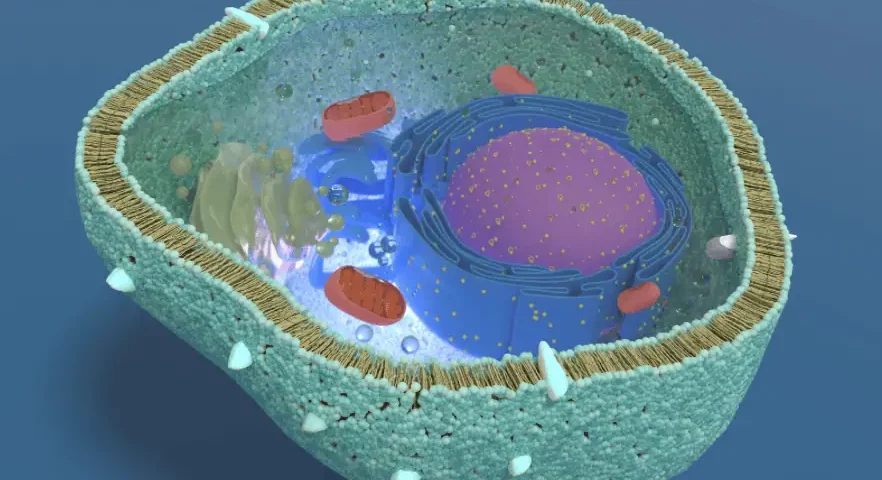
NAD Supplements: The Cellular Molecule Fueling the Longevity Boom
In the expanding world of wellness and longevity, few compounds have generated as much buzz recently as NAD. Short for nicotinamide adenine dinucleotide, this essential coenzyme sits at the center of cellular energy production, DNA repair, and metabolic processes. Supplement forms—primarily precursors that the body converts into NAD+—have moved from niche biohacking circles into mainstream conversations, celebrity routines, and wellness clinic menus. Here’s what NAD is, why attention has surged, and what the evidence currently shows.
What NAD Actually Does
NAD exists in cells primarily in its oxidized form, NAD+, and its reduced form, NADH. It acts as a critical helper molecule in redox reactions that power mitochondria, the cell’s energy factories. It also supports enzymes involved in repairing DNA damage, regulating circadian rhythms, and maintaining cellular stress responses. Without adequate NAD, these fundamental processes become less efficient.
Researchers have long observed that NAD+ availability appears linked to aspects of aging biology in animal models. The idea that boosting it might support healthier cellular function as people grow older has driven interest in supplementation. Direct oral NAD+ is poorly absorbed because the molecule is relatively large and gets broken down in the digestive tract. As a result, most commercial products use precursors: nicotinamide riboside (NR), nicotinamide mononucleotide (NMN), and sometimes nicotinamide (a form of vitamin B3). These compounds are converted into NAD+ through established biochemical pathways.
Why the Spotlight Intensified
Several overlapping factors propelled NAD into the cultural mainstream. The broader longevity and biohacking movements emphasize proactive cellular health rather than waiting for age-related decline. Social media amplified this: online conversations about NAD+ rose substantially in recent years, and mentions of biohacking and “clinically proven” claims climbed alongside them. Product launches containing NR or NMN grew dramatically, reflecting strong commercial demand.
Celebrity visibility played a major role. High-profile figures including Hailey Bieber, Kendall Jenner, Gwyneth Paltrow, Jennifer Aniston, and Kim Kardashian have publicly discussed using NAD+ IV infusions or precursor supplements. Appearances on shows and social media posts framed the treatments as tools for energy, recovery, and staying youthful. Influencers and longevity advocates further popularized the narrative that declining NAD+ contributes to fatigue, slower recovery, and biological aging—and that boosting it could counteract those effects.
The market response has been rapid. NAD precursor supplements generated hundreds of millions in estimated sales in recent years, with strong projected growth. IV clinics offering infusions have proliferated, and oral products appear widely in online stores and retail wellness aisles. Searches and sales data for cellular health and NAD-related categories have shown sharp increases. Regulatory developments, including clarification that NMN can be marketed as a dietary supplement in the U.S., also supported broader availability.
In short, NAD sits at the intersection of genuine scientific curiosity about cellular metabolism, aggressive wellness marketing, influencer culture, and a cultural desire for tools that promise better energy, resilience, and healthspan.
What the Research Shows

Animal studies have produced encouraging results. Raising NAD+ levels with precursors has been linked in preclinical work to improved metabolic function, better mitochondrial performance, enhanced DNA repair, and benefits in models of age-related conditions. These findings created biological plausibility that fueled human interest.
In people, oral NR and NMN reliably raise circulating NAD+ or related metabolites. A recent randomized study comparing the two precursors found that both approximately doubled whole-blood NAD+ levels after two weeks of daily supplementation in healthy adults, while plain nicotinamide did not produce the same sustained effect. Both compounds are generally well tolerated at the doses studied. Some trials have reported modest improvements in specific outcomes—such as muscle insulin sensitivity in certain groups, aspects of physical performance, or markers in rare premature-aging conditions—but results across broader functional, metabolic, cognitive, and vascular endpoints remain mixed or limited.
Important caveats exist. A systematic review of human and rodent studies concluded that while oral precursors engage their biochemical targets and are safe over weeks to months, evidence for clear anti-aging or wellness benefits in healthy people is still inconclusive. Larger, longer trials with meaningful clinical endpoints are needed. Recent research has also questioned a foundational assumption: some data suggest blood NAD+ levels may not decline as straightforwardly with chronological age as earlier models proposed. Oral NAD+ itself is not efficiently absorbed, which is why precursors dominate the supplement category. IV infusions bypass digestion but remain expensive, less rigorously studied for long-term outcomes in healthy individuals, and largely unregulated in the wellness setting.
Experts frequently note that enthusiasm has outpaced definitive human evidence. Raising a biomarker does not automatically translate into longer healthspan or dramatic anti-aging effects for the average person.
Practical Considerations and Outlook
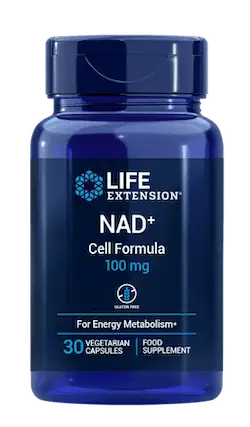
For those considering NAD-related supplements, the most common forms are NR (often sold as branded Niagen) and NMN. Doses in studies typically range from a few hundred milligrams to around 1,000 mg daily. Products vary in quality, so third-party testing and transparent labeling matter. People with medical conditions, those taking medications, or anyone pregnant or breastfeeding should consult a physician before starting. High doses of certain B3 forms can cause flushing or other side effects; long-term safety data beyond existing trial durations continue to accumulate.
Lifestyle factors—exercise, sleep, balanced nutrition, and avoiding excess alcohol or chronic stress—also influence cellular energy metabolism and remain foundational. Supplements are not substitutes for those basics.
NAD has caught attention because it connects a real, central piece of cellular biology to the powerful cultural desire for greater energy, recovery, and longevity. The science confirms that precursors can elevate NAD+ levels and that the compounds are generally safe in studied contexts. Whether those elevations deliver meaningful, lasting benefits for healthy aging in the broader population is still an open question under active investigation. As more rigorous human data emerge, the gap between marketing claims and proven outcomes should narrow—helping consumers separate promising biology from premature hype.