
Vitamin D in Winter: Foods That Help, and When You Need More
November 14, 2026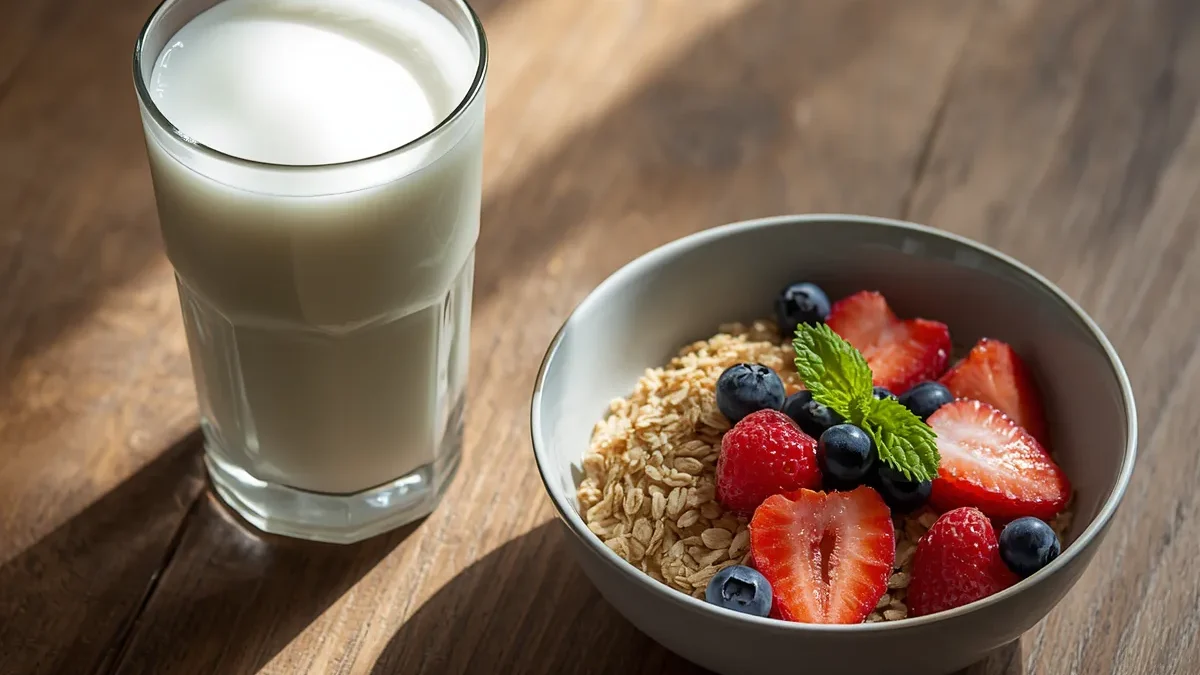
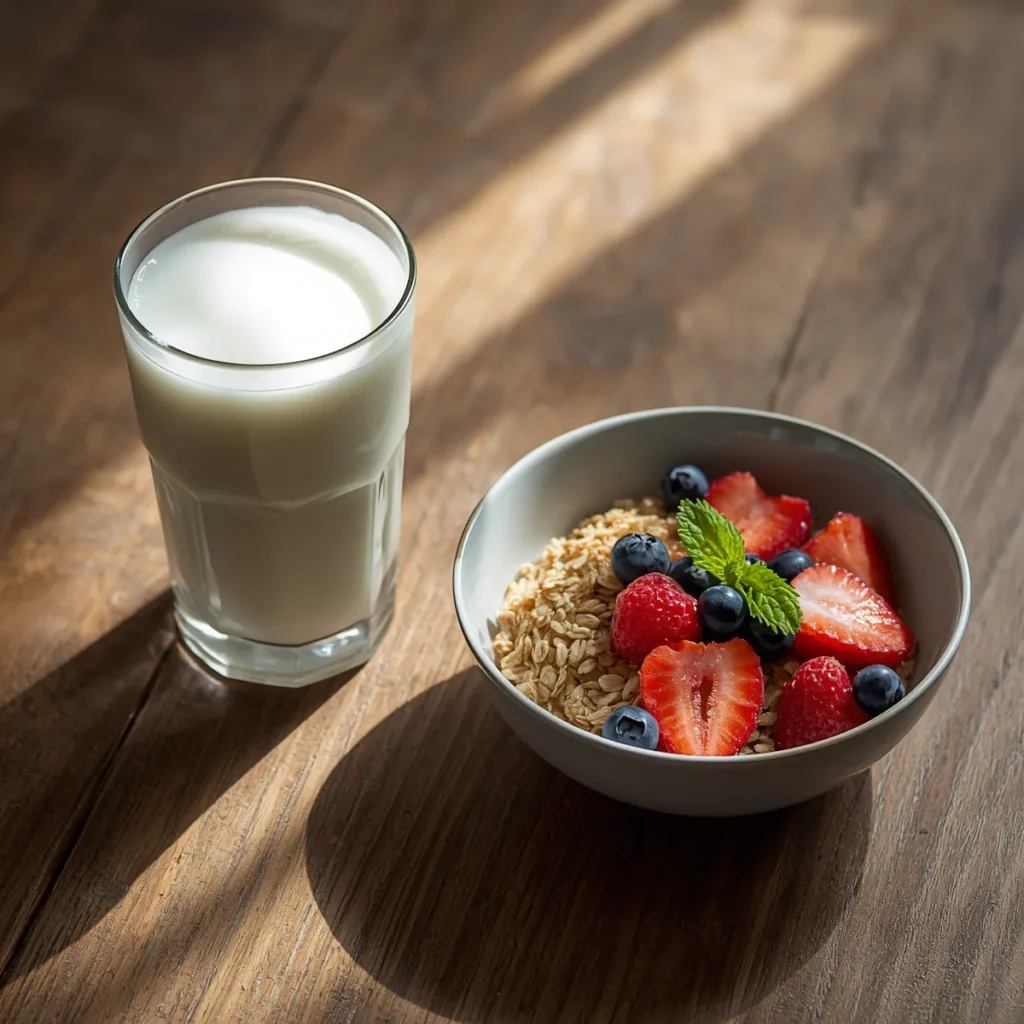
Kefir is a tangy fermented milk drink, a bit like thin, drinkable yogurt. It used to be a health-store thing, but now you’ll find it in most supermarket fridges. The kefir benefits come down to three things: protein, calcium and live cultures. And it’s one of the easiest fermented foods to add to a normal day.
Kefir Benefits: What’s in One Glass
One cup of plain low-fat kefir gives you about:(1)
- Calories: 104
- Protein: 9 g, about the same as a glass of milk
- Calcium: about 315 mg, roughly a quarter of a day’s worth
- Live cultures: a mix of bacteria and yeasts
That mix is what makes kefir different. Yogurt is usually made with a few types of bacteria. Kefir is fermented with a much wider mix of bacteria and yeasts,(2) which gives it that slightly fizzy, sour taste.
It’s also good news if milk doesn’t agree with you. The cultures break down much of the lactose (milk sugar). In one small study, people who had trouble digesting lactose handled plain kefir much better than milk.(3)
What Fermented Foods Do for Your Gut
Your gut is home to trillions of bacteria, and a varied mix is generally a good sign. In a Stanford study, adults who ate more fermented foods for several weeks ended up with a more varied mix of gut bacteria and lower signs of inflammation.(4)
To be honest, the research is still young, and it was a small study. Kefir isn’t a cure for anything. Think of it as one easy, everyday habit that’s good for your gut.
How We Use It
- Breakfast smoothie: blend kefir with a banana and a handful of frozen berries.
- Overnight oats: use kefir instead of milk. The oats soak it up and turn creamy by morning.
- On granola: pour it over granola or muesli like you would milk.
- Dressing or marinade: mix kefir with garlic, lemon and herbs for a creamy salad dressing, or soak chicken in it before roasting.
How to Pick a Good Kefir
Go for plain kefir and look for “live cultures” on the label. Check the sugar on flavored ones: a strawberry kefir can have about twice the sugar of plain.(1) It’s easy to make your own flavor with fresh fruit or a drizzle of honey. If the sour taste is new to you, start with half a glass and build up.

Other Fermented Foods for Gut Health
- Yogurt: plain, with live cultures. Great with fruit and nuts.
- Sauerkraut: pick the kind from the fridge. Jars on the shelf are usually heat-treated, which kills the live cultures.
- Kimchi: spicy fermented cabbage. A spoonful brightens up rice, eggs or a sandwich.
- Miso: stir it into soups and dressings after cooking, not while boiling.
Our Supernutrition tip: Good bacteria need fiber to feed on. So pair your kefir with oats, fruit or seeds, and keep fiber-rich foods like lentils and beans on the menu. Fermented foods plus fiber is a team that works.
Read next: Want to feed those gut bacteria well? Read The Rise of Fibermaxxing.