The Unsung Superfoods That Pack Protein, Fiber, and Savings

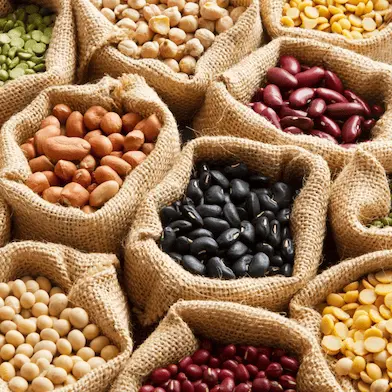
In a world of trendy superfoods and expensive supplements, one of the most powerful, nutrient-dense options sits quietly in your pantry: lentils and other dried beans/legumes (like chickpeas, black beans, kidney beans, and more). These humble pulses are cheap, sustainable, versatile, and backed by science for impressive health benefits. They’re often called a “poor man’s meat” for good reason—but they’re a powerhouse for everyone.
The 5 Best Health Benefits of Lentils and Legumes
- Protein Powerhouse for Muscle and Satiety
A ½ cup of cooked lentils delivers roughly 8–9 grams of plant-based protein. Combined with high fiber, this keeps you full longer, supports muscle maintenance, and serves as an affordable meat alternative. Other beans like chickpeas and kidney beans offer comparable high-quality plant protein. (1) - Fiber-Rich Support for Gut and Digestive Health
Legumes are packed with both soluble and insoluble fiber (often 7–8+ grams per ½ cup of lentils). This promotes regular digestion, feeds beneficial gut bacteria as a prebiotic, and helps reduce inflammation in the digestive tract.(2) - Heart-Healthy Nutrients That Lower Risk Factors
High fiber, potassium, folate, and polyphenols in lentils and beans help lower LDL cholesterol, regulate blood pressure, and reduce overall cardiovascular risk. Regular consumption is linked to better heart health outcomes.(3) - Iron and Folate for Energy and Vital Functions
Lentils stand out as an excellent source of iron (to fight fatigue and support oxygen transport) and folate (key for cell health and pregnancy). These minerals and vitamins make legumes especially valuable for vegetarians, vegans, and women of childbearing age. (4) - Blood Sugar Control and Weight Management
Thanks to their fiber, protein, and resistant starch, legumes have a low glycemic impact. They help stabilize blood sugar levels, promote satiety, and support healthy weight management—benefits backed by studies on diabetes prevention and management. (5)
Sustainability and Affordability: A True Superfood
Beyond personal health, legumes are environmentally friendly. They have a low carbon footprint, fix nitrogen in soil (reducing fertilizer needs), and are incredibly budget-friendly—often costing pennies per serving compared to meat.
They’re shelf-stable when dried, reducing food waste, and versatile across cuisines worldwide.
Easy Ways to Enjoy More Legumes

Incorporating them is simple:
- Soups and stews: Classic lentil soup with veggies and spices.
- Salads: Toss cooked chickpeas or black beans with greens, tomatoes, and a tangy dressing.
- Curries and dals: Red lentils cook quickly for Indian-inspired meals.
- Meatballs or minced meat: Add some kidney beans or white beans for more volume and protein at low cost.
- Hummus or dips: From chickpeas.
- Tacos or bowls: Swap or mix with meat using kidney or pinto beans.
Pro tip: Rinse canned beans to reduce sodium, or cook dried ones in batches for the week. Soaking and rinsing can also ease digestion for sensitive stomachs.
The Bottom Line
Lentils and other dried beans/legumes truly deserve superfood status. They’re affordable protein and fiber champions that support heart health, gut balance, steady energy, and more—while being kind to your wallet and the planet. Aim for a few servings per week (or more!) to reap the rewards. Your body, budget, and the environment will thank you.
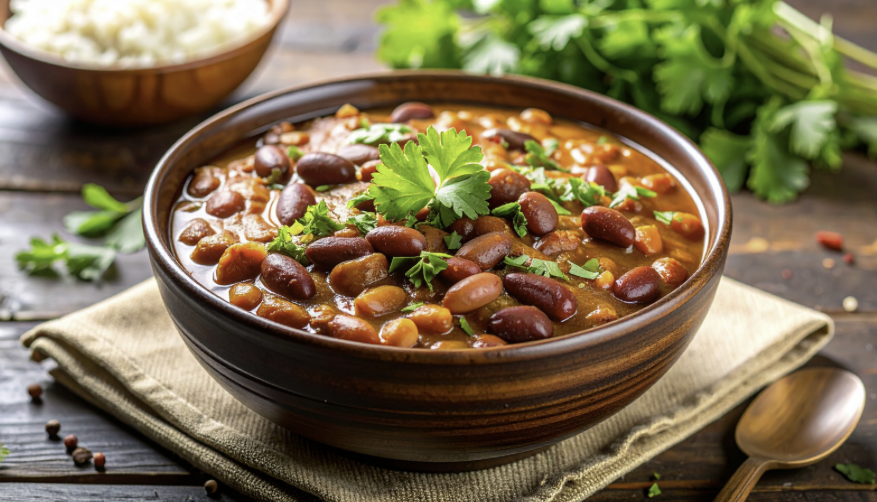
What’s your favorite way to eat lentils or beans? Share in the comments!