The Surprising Health Benefits of Beets: A Simple Superfood
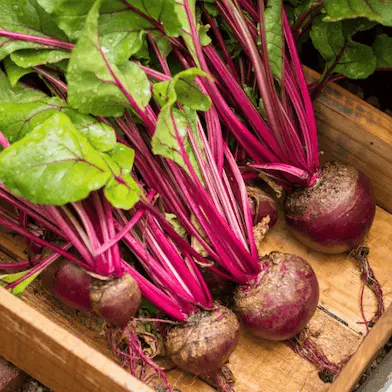
Beets (or beetroot) might not be the first vegetable you reach for at the grocery store, but these earthy, vibrant root veggies pack a serious nutritional punch. Whether roasted, pickled, juiced, or added to salads, beets are affordable, delicious, and backed by research for supporting heart health, energy, and more. Best of all, you don’t need to be a health expert to enjoy their benefits.
What’s in a Beet? A Quick Nutrition Snapshot
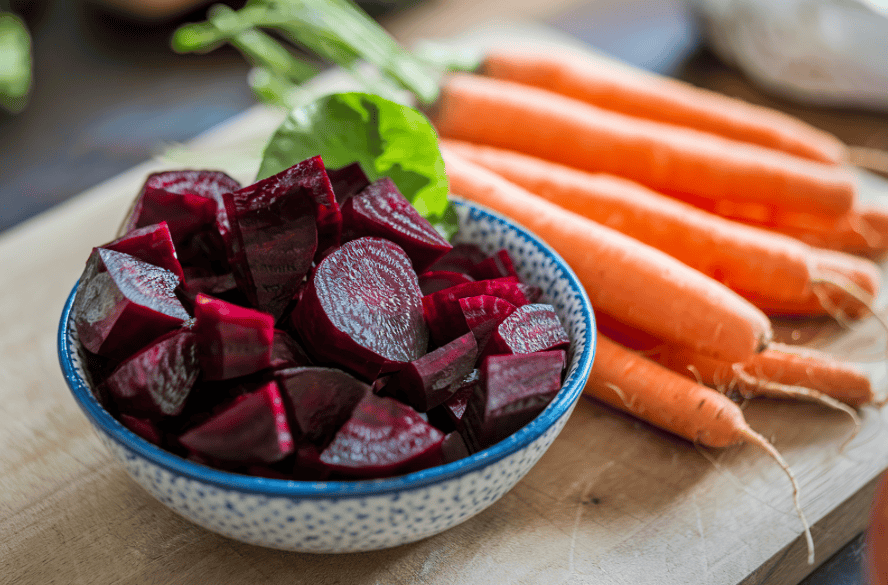
One cup of raw beets (about 136g) is low in calories (~58) but rich in good stuff:
- Fiber: Around 3-4g to support digestion.
- Folate (Vitamin B9): Important for cell growth and heart health.
- Potassium, Manganese, Vitamin C: Help with blood pressure, immunity, and more.
- Nitrates: The star compound that your body turns into nitric oxide for better blood flow.
- Antioxidants like betalains: These give beets their deep red color and fight inflammation.
- Trimethylglycine (TMG): TMG serves as a vital compound aiding essential bodily functions.
They’re naturally sweet but the fiber helps keep blood sugar steady. Low in fat and with no cholesterol, they’re an easy win for most diets.
Top Health Benefits of Beets
1. Supports Healthy Blood Pressure Beets are famous for this. The nitrates relax and widen blood vessels, improving blood flow and often lowering blood pressure. Studies show beet juice can reduce systolic pressure noticeably, especially in people with higher readings. Consistent intake (like a daily serving) seems to help best.(1)
2. Boosts Exercise Performance and Stamina Many athletes drink beet juice before workouts. The nitrates improve oxygen use in muscles, helping you exercise longer before tiring. Research shows benefits for endurance activities like running or cycling, and even some improvements in muscle power for everyday movement or heart failure patients.(2)
3. Fights Inflammation and Oxidative Stress Betalains and other antioxidants in beets help reduce inflammation markers. This may ease joint discomfort and protect cells from damage linked to chronic conditions.(3)
4. Good for Digestion and Gut Health The fiber promotes regularity and feeds beneficial gut bacteria. Pickled beets can add probiotic perks too. (4)
5. Brain and Overall Heart Support Better blood flow from nitrates may benefit the brain, supporting cognitive function. Combined with potassium and antioxidants, beets contribute to cardiovascular wellness and may help lower risks associated with heart disease.(5)
Other promising areas include potential liver support and anti-cancer properties from antioxidants, though more research is ongoing.
Easy Ways to Add Beets to Your Routine
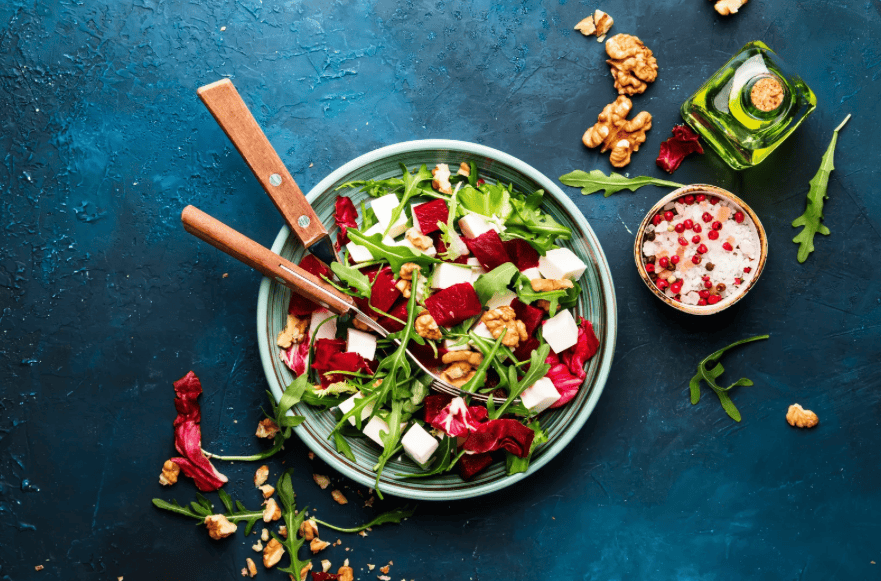
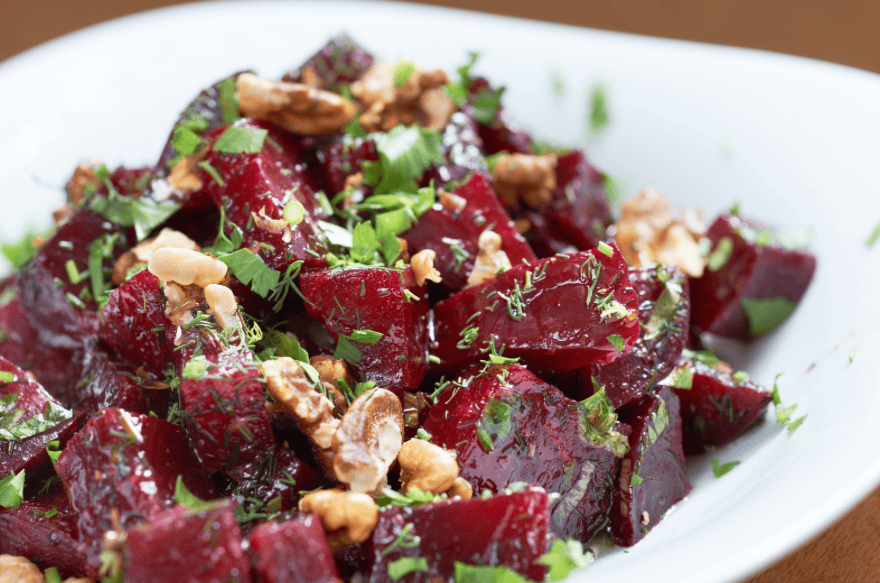
- Roast them: Toss cubed beets with olive oil, salt, and pepper at 400°F (200°C) for 30-40 minutes.
- Juice or smoothie: Mix with apples, carrots, or ginger to balance the earthiness.
- Salads: Grate raw beets or use canned/pickled for convenience.
- Powder: Beetroot powder is a quick add-in for smoothies or water if you’re short on time.
Start with a serving a few times a week and see how you feel. Beet juice before exercise is a popular timing for performance perks.
A Few Things to Keep in Mind
Beets are safe for most people, but they can turn your urine or stool pink/red (harmless “beeturia”). Those with kidney stones or certain conditions should check with a doctor due to oxalates. High sugar content in beets is balanced by fiber for most, but portion awareness helps if monitoring blood sugar.
Final Thoughts
Beets prove that healthy eating doesn’t have to be complicated or expensive. With benefits for your heart, workouts, digestion, and more, they’re a colorful addition to any plate. Next time you’re at the market, grab a bunch—you might just “beet” your health goals one delicious bite at a time!
What’s your favorite way to eat beets? Share in the comments!