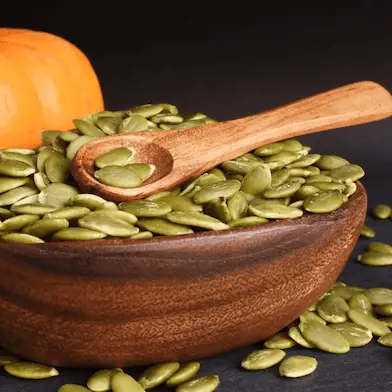
Pumpkin seeds (also called pepitas) are small but mighty. These crunchy little kernels deliver an impressive amount of essential nutrients in every handful. Whether you’re looking to support heart health, sleep better, or simply eat more nutrient-dense foods, pumpkin seeds are an affordable, tasty addition to almost any diet.
In this guide, we’ll cover what pumpkin seeds are, their full nutritional profile (with a handy table), the top science-backed health benefits, easy ways to eat them, smart buying tips, and whether they truly deserve “superfood” status.
What Are Pumpkin Seeds?
Pumpkin seeds come from the inside of pumpkins (Cucurbita pepo). After you scoop them out, clean off the stringy pulp, dry them, and roast them, they become a popular snack. The edible part most people eat is the inner kernel—often sold already hulled and labeled as pepitas.
They’ve been enjoyed for centuries in cuisines around the world and are now widely available year-round in grocery stores, health food shops, and online.
Pumpkin Seeds Nutrition Facts
Pumpkin seeds are nutrient powerhouses. Here’s what you get in a 1-ounce (28-gram) serving of roasted, unsalted hulled pumpkin seeds (pepitas):
| Nutrient | Amount per 1 oz (28g) | % Daily Value* |
|---|---|---|
| Calories | 163 kcal | 8% |
| Protein | 8.5 g | 17% |
| Total Fat | 13.9 g | 18% |
| Carbohydrates | 4.2 g | 2% |
| Dietary Fiber | 1.8 g | 6% |
| Magnesium | 156 mg | 37% |
| Zinc | 2.2 mg | 20% |
| Iron | 2.3 mg | 13% |
| Phosphorus | 332 mg | 27% |
*Percent Daily Values are based on a 2,000-calorie diet. Values are approximate and based on USDA data.
They’re also rich in antioxidants (including vitamin E and carotenoids) and provide a good amount of healthy unsaturated fats. Just one small serving gives you a meaningful boost of magnesium and zinc—two minerals many adults don’t get enough of.
5 Best Health Benefits of Pumpkin Seeds
Here are five of the most well-supported benefits, backed by research:
1. Supports Heart Health Pumpkin seeds are high in magnesium, which helps regulate blood pressure. They also contain healthy fats and fiber that can positively influence cholesterol levels. One study found that pumpkin seed oil reduced diastolic blood pressure by about 7% and increased “good” HDL cholesterol by 16% in postmenopausal women.
2. May Improve Prostate and Urinary Health Pumpkin seeds are particularly beneficial for men. Several human studies show that pumpkin seed oil can help reduce symptoms of benign prostatic hyperplasia (BPH), such as frequent or difficult urination, and improve overall quality of life. It has also shown promise for easing symptoms of overactive bladder.
3. Promotes Better Sleep Pumpkin seeds contain tryptophan, an amino acid that helps your body produce serotonin and melatonin—hormones that regulate sleep. They’re also rich in magnesium and zinc, both linked to improved sleep quality. Eating a small handful in the evening may help you wind down naturally.
4. Provides Powerful Antioxidant Protection These seeds are loaded with antioxidants like flavonoids, phenolic acids, vitamin E, and carotenoids. These compounds help fight oxidative stress and inflammation in the body. Lab and observational studies suggest they may play a role in protecting against certain types of cancer cell growth, though more human research is needed.
5. Helps with Blood Sugar Management and Satiety The combination of protein, fiber, and healthy fats in pumpkin seeds slows digestion and helps prevent blood sugar spikes after meals. Magnesium also plays a key role in insulin function. Higher magnesium intake from foods like pumpkin seeds has been associated with a lower risk of type 2 diabetes in large observational studies.
How to Incorporate Pumpkin Seeds into Your Diet

Adding pumpkin seeds is simple and delicious. Aim for 1–2 ounces (a small handful) per day:
- Sprinkle them on salads, avocado toast, or roasted vegetables
- Stir into yogurt, oatmeal, or smoothie bowls for crunch
- Add to homemade granola, muffins, or energy balls
- Make a quick trail mix with dried fruit and dark chocolate
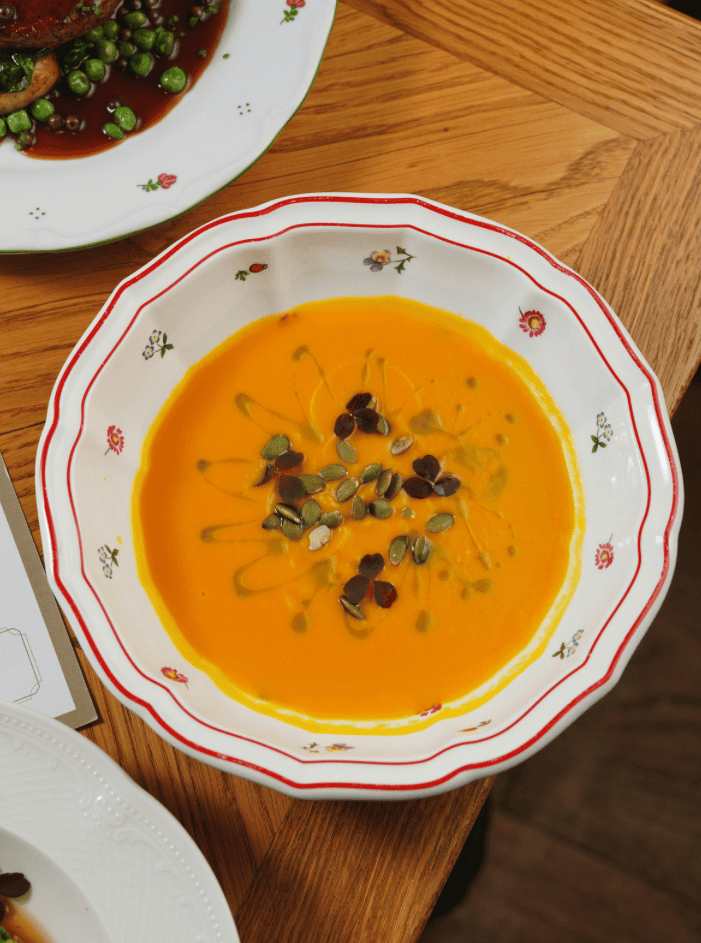
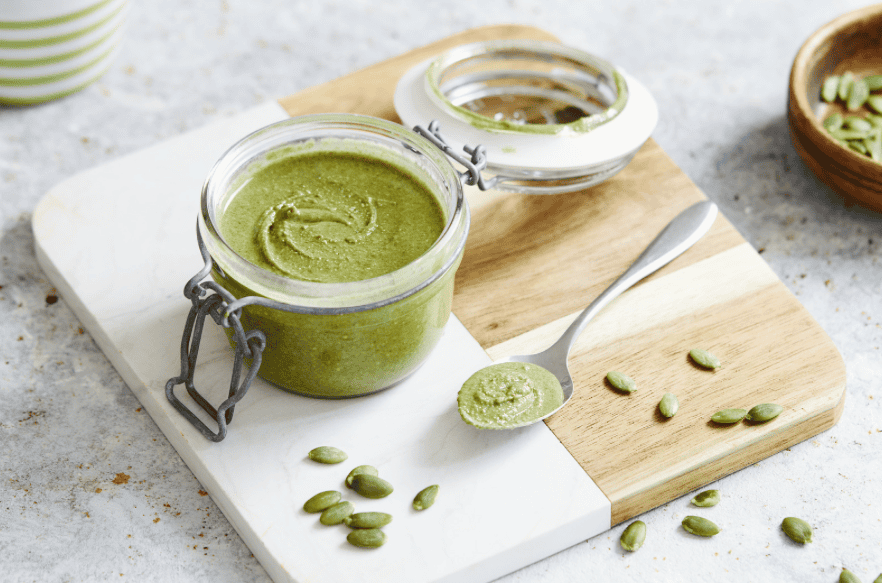
- Blend into pesto or sprinkle over soups and stir-fries
- Enjoy them plain as a satisfying afternoon snack
- Let them soak in water overnight for easier digestion
They pair especially well with sweet or savory flavors.
What to Consider When Buying Pumpkin Seeds
Not all pumpkin seeds are created equal. Here’s what to look for:
- Raw vs. roasted — Raw (or dry-roasted) seeds retain more nutrients. Roasted ones taste better to many people but can lose some heat-sensitive vitamins. Avoid versions roasted in lots of oil or loaded with salt/sugar.
- Hulled (pepitas) — These are easiest to eat. Whole seeds with shells are better for roasting at home if you enjoy the extra crunch.
- Quality matters — Choose organic when possible. Check the ingredient list for minimal additives. Fresh seeds should smell nutty, not rancid or musty.
- Storage tips — Keep them in an airtight container in a cool, dark pantry or the refrigerator. Raw pepitas can last up to a year in the fridge; roasted ones stay fresh for several weeks to a couple of months. Freezing extends shelf life even longer.
Are Pumpkin Seeds Really a Superfood?
“Superfood” is a marketing term, not a scientific one. That said, pumpkin seeds absolutely qualify as an exceptionally nutrient-dense food. They pack meaningful amounts of hard-to-get minerals (especially magnesium and zinc), quality protein, healthy fats, and antioxidants into a tiny, affordable package.
They’re not a miracle cure or a replacement for a balanced diet and healthy lifestyle. But as part of a varied eating pattern, they’re one of the easiest and most effective ways to boost your daily nutrition.
Potential Side Effects and Precautions
Pumpkin seeds are safe for most people, but keep these points in mind:
- They’re calorie-dense — watch portion sizes if you’re managing weight.
- Eating large amounts at once may cause temporary bloating or digestive discomfort due to the fiber and fat content.
- People with seed or nut allergies should avoid them.
- Those with certain medical conditions (such as kidney disease) or on specific medications should check with a healthcare provider before making major dietary changes.
- Like many seeds, they contain phytic acid, which can slightly reduce mineral absorption. Roasting or soaking helps minimize this effect.
Final Thoughts
Pumpkin seeds are a simple, tasty, and highly nutritious food that deserves a regular spot in your pantry. From supporting heart and prostate health to helping you sleep better and manage blood sugar, the benefits are real and well-documented.
Next time you’re grocery shopping or carving a pumpkin, grab a bag of quality pepitas. Your body will thank you.
What’s your favorite way to enjoy pumpkin seeds? Let us know in the comments below!